Focused arrival windows
Useful updates and clear arrival timing.
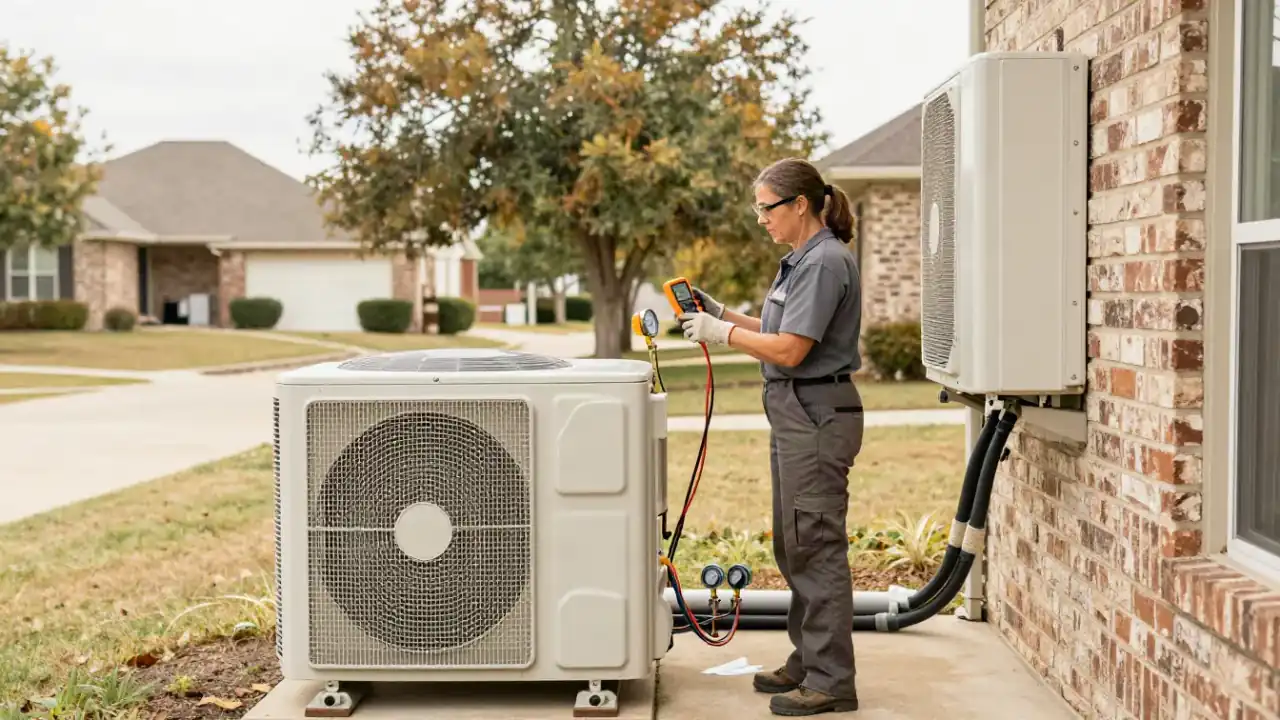
Mini Split Installation Rosenberg TX is what we do every week, from single-zone bedroom units to five-zone systems in Briarwood Crossing and Kingdom Heights. If you want ductless AC installation in Rosenberg, TX that actually holds its charge and cools a 100-degree afternoon, we handle the whole job: load sizing, line set, vacuum, charge, and startup. One crew, one visit, no subcontracted surprises.
Useful updates and clear arrival timing.
Review the approach and price before deciding.
Equipped vehicles and respectful cleanup.
Neighbors serving neighbors with follow-through.
Every install we quote covers the full job from load calculation to startup, not just equipment drop-off. Here is what is standard on a Rosenberg mini split installation service call.
We measure each space and calculate BTU requirements based on square footage, window area, ceiling height, and insulation. This prevents oversizing, which causes short cycling and poor humidity control in Rosenberg's climate.
Insulated refrigerant line set, flare fittings torqued to spec, and a condensate drain line pitched at a quarter inch per foot. We route everything clean and seal every wall penetration.
Vacuum pump and micron gauge pull the system to 500 microns and hold it. Then we release the factory charge or weigh in additional refrigerant to match your exact line length.
We connect the indoor and outdoor units to power, verify voltage and amp draw with a clamp meter, and confirm the circuit is correctly sized. If a new dedicated circuit is needed, we scope that upfront.
We test cooling and heating modes, check for leaks at every joint, set the remote or thermostat, and show you how to clean filters and read basic error codes before we leave.
Share what is happening and receive a clear next step from the local team.
A mini split install is not a plug-in appliance. It is a sealed refrigeration system: an outdoor condenser, one or more indoor wall cassettes, a refrigerant line set, a condensate drain line, and a control circuit. We pull a vacuum to 500 microns with a vacuum pump and micron gauge before a single ounce of R-410A or R-32 refrigerant goes in, because moisture left in the lines is what kills compressors two summers later. Every flare fitting gets torqued to spec with a torque wrench, not guessed by feel.
Rosenberg homes take a beating from heat and humidity, and that shapes how we size and mount equipment. A west-facing brick wall in The Oaks of Rosenberg can hit 140 degrees in August, so we plan line set routing and condenser clearance around it. If you are searching for ductless mini split installation near me in Fort Bend County, the difference between a system that lasts 12 years and one that leaks in year three is almost always installation quality, not the brand on the box.
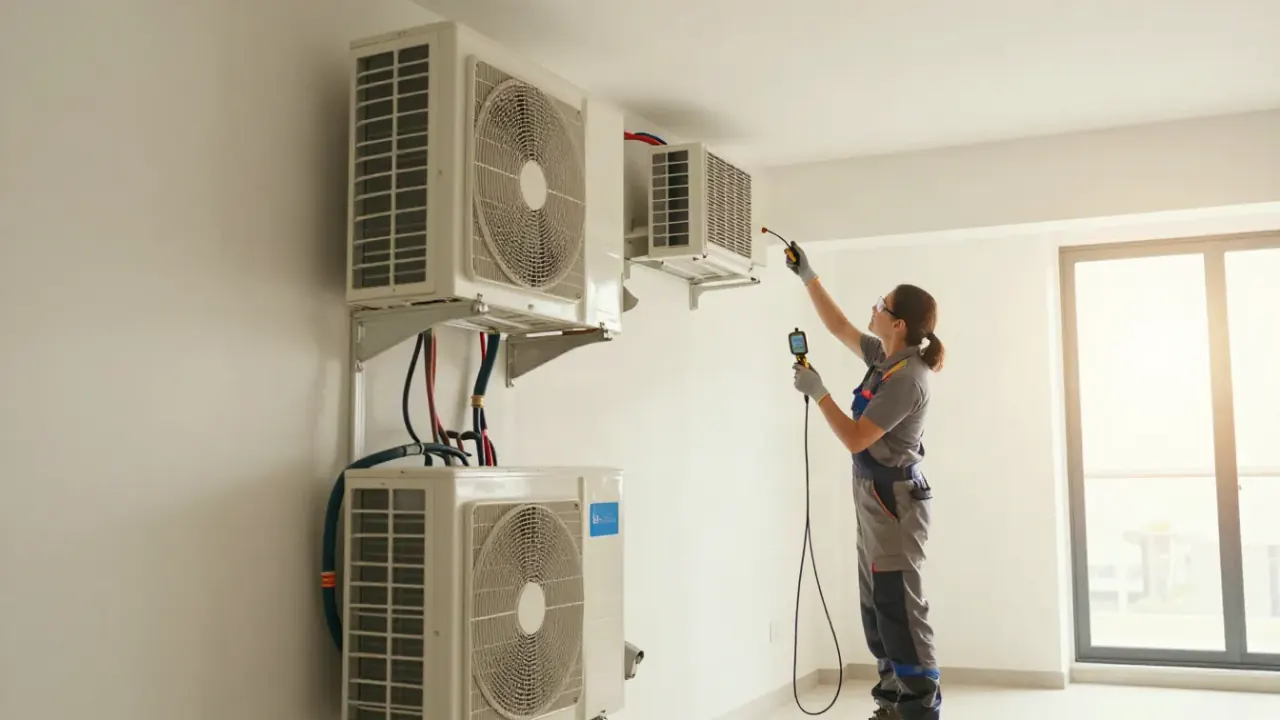
We measure square footage, window orientation, insulation, and ceiling height for every room you want conditioned. That math decides whether you need a 9,000 BTU head or an 18,000 BTU head. Oversizing causes short cycling and humidity problems in Rosenberg's climate, so we do not guess. Takes 30 to 45 minutes.
You pick the indoor head locations with us, and we map the line set path, drain route, and condenser pad. We keep runs under 25 feet where possible to protect capacity. Condensate drains get pitched at a quarter inch per foot so water never sits in the line.
We set the outdoor condenser on a level pad with clearance for airflow, then mount indoor brackets into studs or with proper anchors. The line set gets insulated, flare fittings are cut and torqued to manufacturer spec, and the drain line is run with a clean exit point.
This is the step cheap installs skip. We pull the system down to 500 microns with a vacuum pump and hold it to confirm no leaks, then release the factory charge or weigh in additional refrigerant by the ounce. A nitrogen regulator and leak detector confirm every joint before we call it done.
We power up, check amp draw with a clamp meter, verify heating and cooling modes, and set the remote or thermostat. Then we walk you through filter cleaning, mode changes, and error code basics. Most single-zone installs wrap in three to five hours.
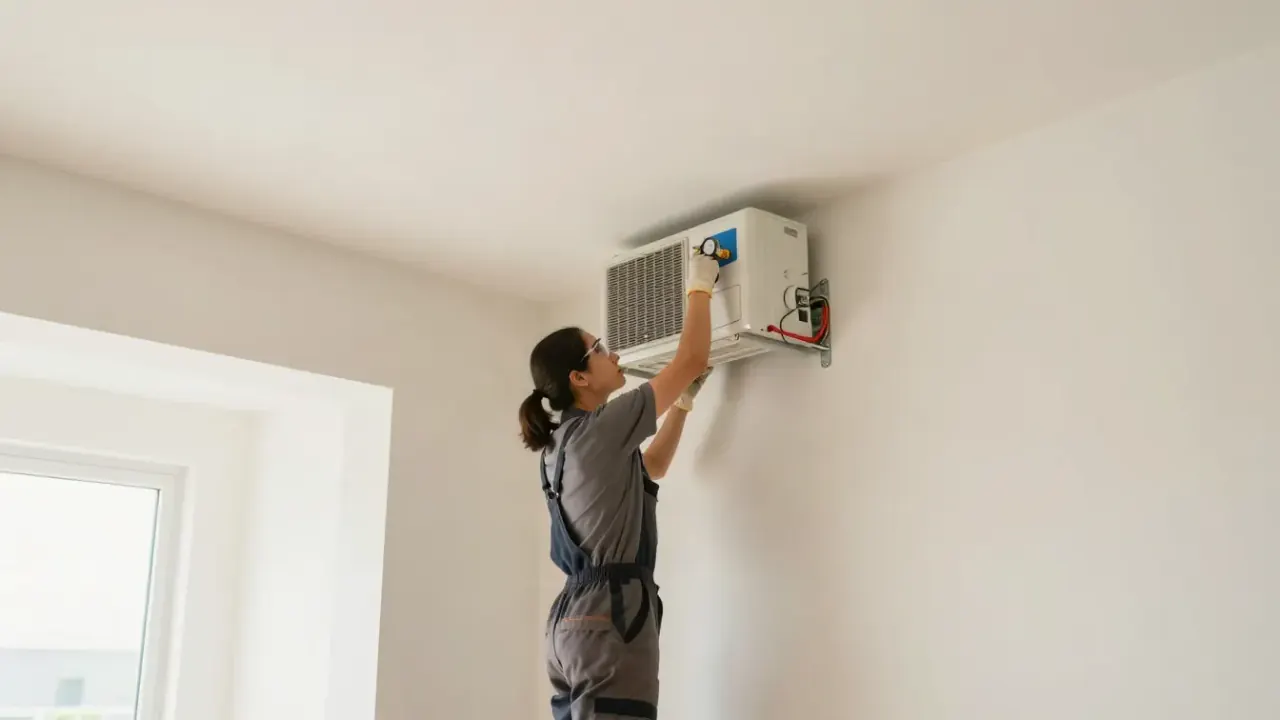
Reads high and low side pressures during charge and diagnostics. We use it to confirm the system is running at the pressures the manufacturer specifies for the outdoor temperature.
Pulls moisture and non-condensables out of the line set and proves it with a micron reading. We hold at 500 microns before charging, every time.
Tightens every flare fitting to the exact manufacturer spec. Under-torqued flares leak, and over-torqued flares crack. This tool removes the guesswork.
Pressurizes the system with dry nitrogen for a leak hold test before we pull a vacuum. It catches bad joints while they are still easy to fix.
Sniffs out refrigerant leaks at flares, brazed joints, and Schrader ports. We use it on every install and every repair call.
Measures amp draw on the compressor and fan motors at startup. It confirms the electrical circuit is sized correctly and the unit is running within spec.
Every technician handling refrigerant holds EPA Section 608 certification. That means we recover, recycle, and charge by weight according to federal rules, and we never vent refrigerant to atmosphere.
We pair indoor and outdoor units that are AHRI-certified together. Mismatched equipment voids warranties and often runs below rated efficiency, so we do not mix and match to save a buck.
Our NATE-certified technicians verify airflow, charge, and electrical draw at startup. That verification is what separates a system that runs 12 years from one that limps through year three.
Where Rosenberg requires a permit for HVAC work, we pull it. Inspections cover electrical connections, clearances, and condensate routing, and we make sure the job passes the first time.
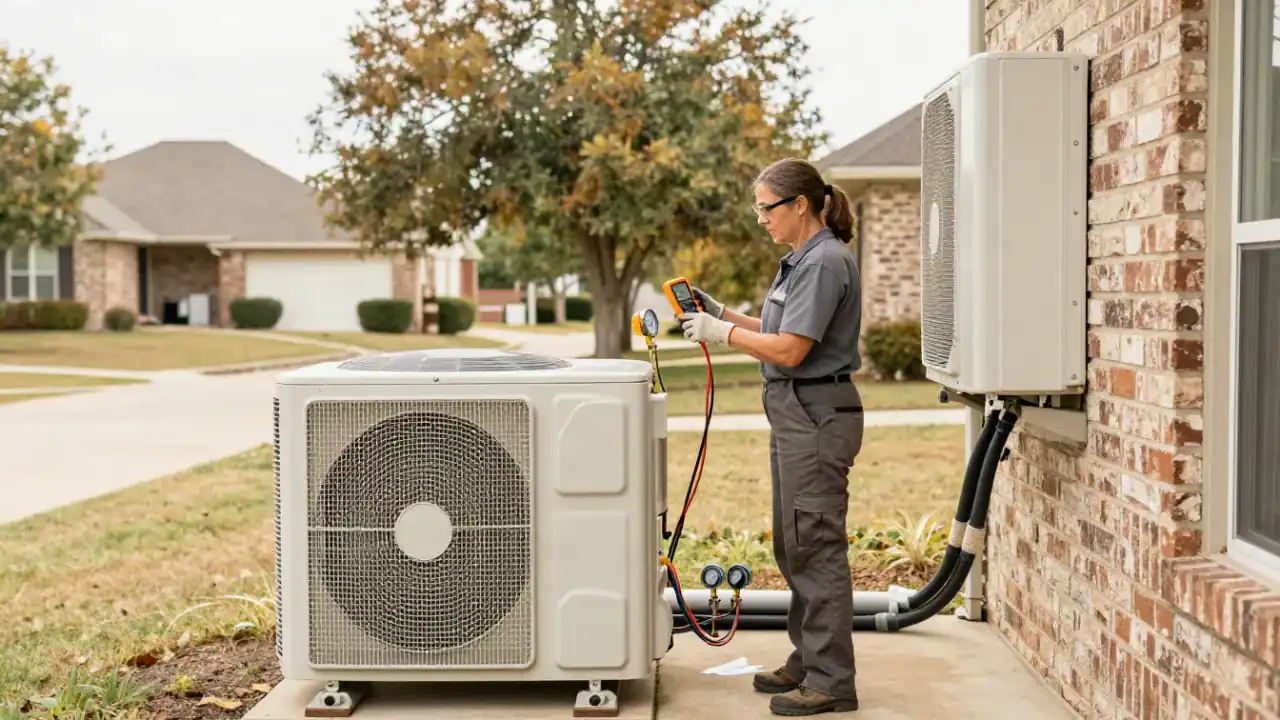
We install a single-zone 12,000 BTU system with a wall cassette, run the line set through the exterior wall, and set the condenser on a pad outside. The whole job finishes in one day. The office holds 72 degrees through August afternoons, and the central system no longer has to work harder to compensate.
We add a three-zone ductless system with heads in each bedroom and a multi-zone condenser outside. Each room gets its own setpoint and schedule. Upstairs stays at 72 to 74 degrees, and the family stops running the central unit all night to compensate.
We install a 9,000 BTU single-zone mini split with a high-wall head and route the drain line to an exterior exit point. Line set run stays under 20 feet. The sunroom becomes a year-round space, and the system draws under 1,000 watts at full load.
Rosenberg sits in Fort Bend County where summer design temperatures push past 95 degrees and humidity stays high well into September. That combination changes how we size and install systems. We lean toward slightly larger indoor heads paired with inverter compressors so run times stay long enough to dehumidify, not just cool. Homes in Briarwood Crossing and Brookewater are mostly newer construction with tight envelopes, which means smaller BTU requirements than the square footage suggests. Older homes near Fairpark Village often have thicker brick walls and limited cavity space, so line set routing takes more planning. If you are comparing ductless AC installation in Rosenberg, Texas options, ask whether the contractor pulls a vacuum to 500 microns and torques flares to spec. Those two steps matter more in this climate than the brand name on the condenser. We also handle the electrical side, confirming the circuit is sized for the unit and that the disconnect is code-correct. Most installs in ZIP codes 77471 and 77469 finish in a single day.
Newer construction with tight building envelopes. Systems here often size smaller than expected, and we route line sets through exterior frame walls with minimal disruption.
West-facing brick walls hit extreme surface temperatures in August. We plan condenser placement and clearance to keep airflow unrestricted and protect equipment life.
Older homes with thicker walls and fewer open cavities. Line set routing takes more planning, and we often use surface-mounted raceway to keep the install clean.
Two-story homes with upstairs rooms that run hot. Multi-zone installs with individual heads per bedroom are the most common request here.
Systems must run long enough to remove moisture, not just drop temperature. We size to avoid short cycling, which is the main cause of clammy rooms and premature compressor wear.
Outdoor condenser pads can shift over time. We set equipment on a level, compacted base and check clearance so the unit stays stable through seasonal soil movement.
Surges can damage control boards and capacitors. We verify the electrical circuit and recommend surge protection on the disconnect to protect the inverter board.
A 400-square-foot converted garage had no ductwork and no cooling. The homeowner was running two portable units that raised the electric bill and still could not hold temperature below 80 degrees on summer afternoons.
We installed a single-zone 12,000 BTU mini split with a high-wall head and a 22-foot line set. The room now holds 72 degrees, and the portable units are gone. Measured amp draw at startup was within manufacturer spec.
Maintenance: Clean the indoor filter every four to six weeks during cooling season, and flush the condensate drain line once a year to prevent clogs.
Three upstairs bedrooms in a two-story home never cooled below 78 degrees, even with the central system running all night. The family was using box fans in every room and still sleeping poorly through summer.
We installed a three-zone ductless system with 9,000 BTU heads in each bedroom and a multi-zone condenser outside. Each room now holds its own setpoint, and the central system runs far less at night.
Maintenance: Schedule annual coil cleaning and check the drain pan tablets every six months to keep all three zones draining properly.
A 200-square-foot sunroom was unusable from May through September. The homeowner had considered enclosing it permanently or installing a window unit, which would have looked bad and been noisy.
We installed a 9,000 BTU single-zone mini split with a wall cassette and a 18-foot line set. The sunroom now stays at 74 degrees all summer, and the indoor head runs at 22 decibels on low.
Maintenance: Wipe the cassette housing monthly, clean the filter every six weeks, and have the coil cleaned professionally once a year.
Most mini split headaches we get called about trace back to the original install. Here are the ones we fix most often around Rosenberg.
Additions, garages, and sunrooms stay unusable for half the year, and portable units only move the problem around while driving up your electric bill. We install a ductless head directly in the space with a short line set run to an outdoor condenser. No ductwork, no ceiling demolition, and the room holds temperature within a degree of setpoint.
A slow refrigerant leak means rising bills, weak cooling, and eventually a dead compressor. Most of these leaks start at flare fittings that were never torqued to spec. Our installs use a torque wrench on every flare and a nitrogen pressure hold before charging. If a leak does develop, we locate it with a leak detector and repair the joint rather than just topping off refrigerant.
A poorly pitched or clogged condensate drain line stains drywall, warps trim, and can damage flooring. It usually shows up during the first heavy cooling season. We pitch every drain line at a quarter inch per foot, insulate it through unconditioned space, and confirm flow before we close up. Drain pan tablets help keep the pan clear between service visits.
An oversized mini split cools the air fast but never runs long enough to pull humidity out. The room feels cold and damp at the same time, and the compressor wears out faster. We size each zone with a real load calculation, not a square-foot rule of thumb. That keeps run times long enough to dehumidify and extends compressor life.
$1,800 - $9,000 depending on zones and equipment
Typical 2026 pricing for a Rosenberg mini split installation service runs $1,800 to $3,500 for a single-zone system and $4,500 to $9,000 for multi-zone setups. The equipment brand, number of indoor heads, line set length, and whether we need to run a new electrical circuit all move the number. We quote the full job upfront, including equipment, labor, line set, and startup, so there is no surprise invoice at the end.
A properly installed mini split lasts 12 to 15 years with basic maintenance. Spread over that lifespan, the upfront cost works out to a few dollars a week, and the energy savings on room-by-room cooling often offset a meaningful chunk of it.
Each additional indoor head adds equipment cost, line set, and labor. A three-zone system typically runs two to three times the price of a single-zone install because the condenser is larger and every zone needs its own line set and drain.
Mitsubishi Electric, Daikin, and Fujitsu units cost more than budget brands but hold up better in Texas heat and carry stronger warranties. Higher SEER2 ratings raise the upfront price and lower the monthly bill.
Runs over 25 feet need additional refrigerant and sometimes a larger line size. Routing through finished walls, brick, or a second story adds labor. We measure the actual path before quoting.
If there is no dedicated circuit near the condenser location, we run one. That adds material and labor, and it is a code requirement for most mini split systems. We scope it upfront so there is no mid-job surprise.
Where Rosenberg requires a permit for HVAC installation, that cost is included in the quote. Inspections cover electrical connections, clearances, and condensate routing.
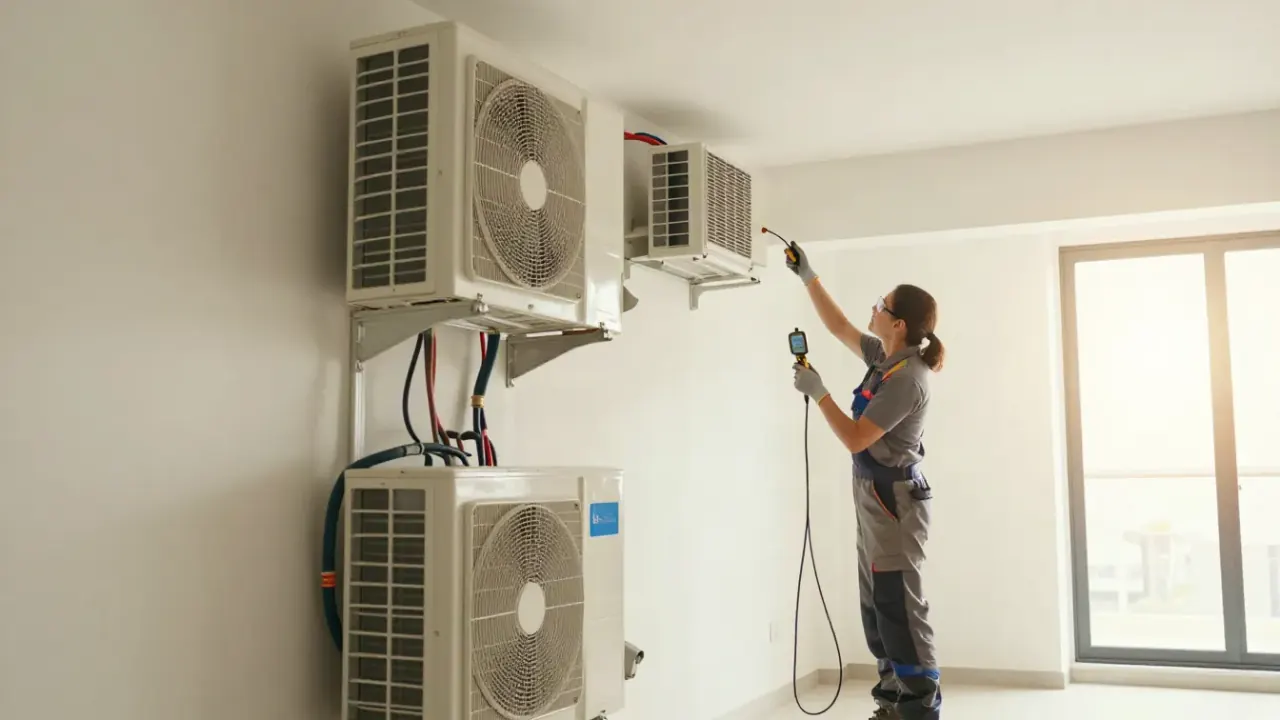
We added a converted garage office and had no ductwork out there. The crew ran the line set clean through the exterior wall, pulled a vacuum, and had it cooling by mid-afternoon. It has held 72 degrees through two summers now with zero issues. Fair price and they cleaned up after themselves.
Got three quotes for a three-zone system. These guys were the only ones who actually measured each room instead of guessing by square footage. Install took a day and a half, and they walked me through the remote settings before leaving. Our upstairs stays cool now without running the big unit.
My old window unit finally died in August. Called on a Tuesday, had a new mini split installed Thursday morning. They torqued the flares, checked the charge, and showed me the micron reading before charging. That level of detail is why I will call them again.
Most single-zone installs in Rosenberg run $1,800 to $3,500 in 2026, and multi-zone systems land between $4,500 and $9,000 depending on head count. Equipment brand, line set length, electrical work, and whether we need a new circuit all move the number. We give you a written quote before any work starts.
A single-zone ductless AC installation in Rosenberg takes three to five hours on a typical brick home. Multi-zone jobs with three or more heads usually run a full day, sometimes two if we are running long line sets or adding an electrical circuit. We confirm the timeline when we quote the job.
Yes, when parts and schedule allow. We keep common single-zone sizes on hand and can often install same day for straightforward wall-mount jobs. Call (281) 738-1427 and we will tell you honestly what is possible for your address and system size.
Bedrooms typically need 9,000 to 12,000 BTU, living rooms 12,000 to 18,000 BTU, and open kitchens or sunrooms up to 24,000 BTU. Ceiling height, window area, and insulation all shift the number. We run a room-by-room load calculation rather than guessing by square footage alone.
Not seeing your question? Our local team can help you understand urgency, scheduling and what to expect.
Ask the local team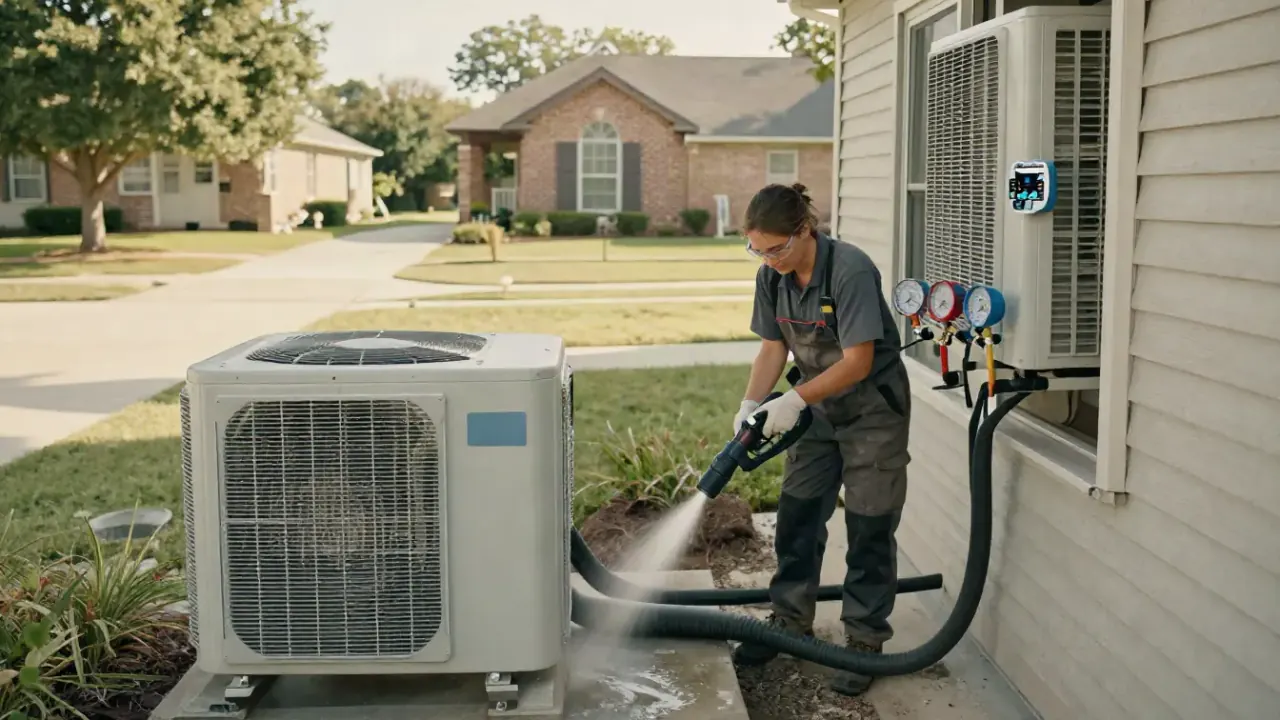
If your system was just installed and is not cooling, the cause is usually charge, airflow, or a mode setting. We diagnose it fast and fix it without tearing into the wall.
View service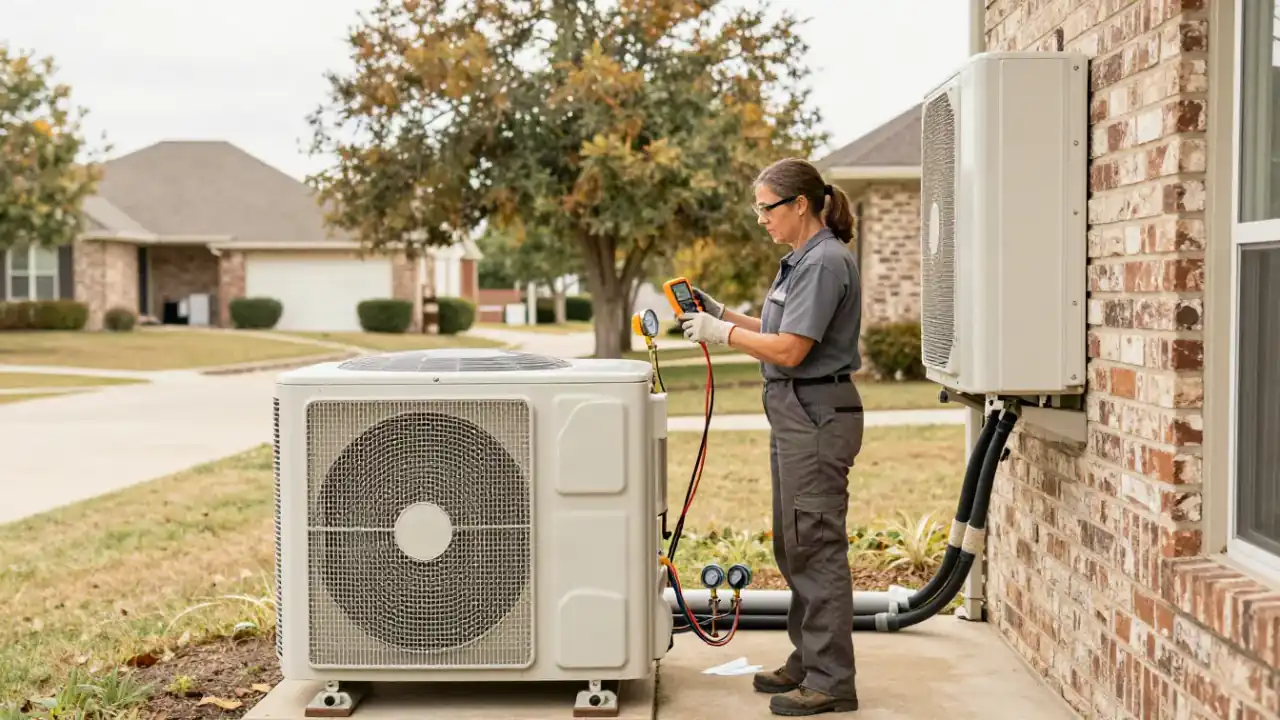
Heat mode failures often trace to reversing valve issues or low refrigerant. We test both before recommending parts, so you are not paying for a compressor you do not need.
View service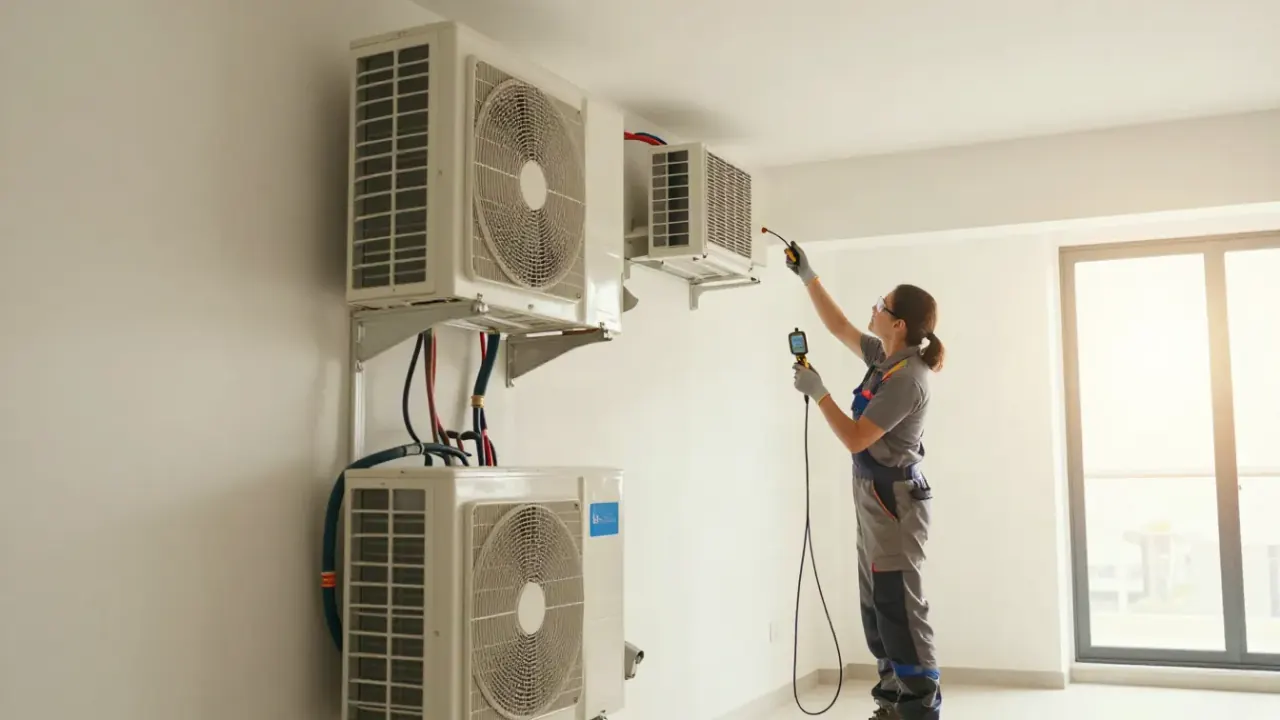
A leaking flare or a rubbed line set loses charge slowly. We locate it with a leak detector, repair the joint, and recharge by weight to factory spec.
View service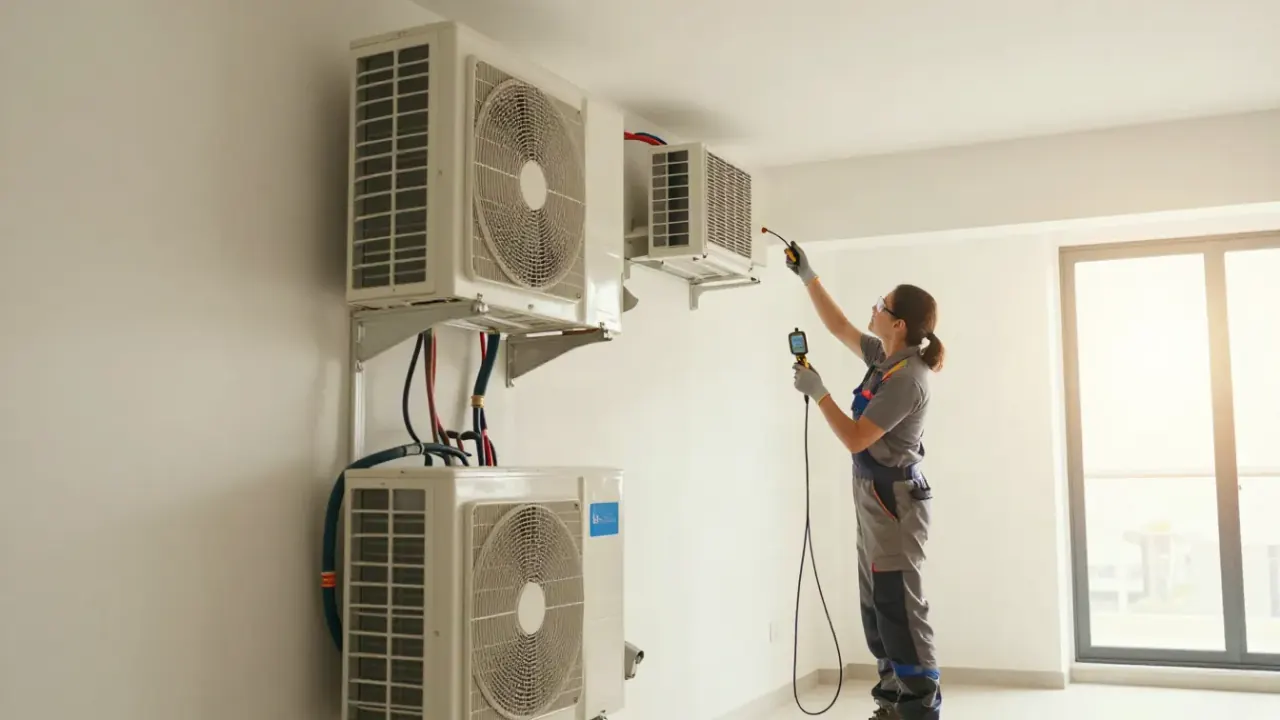
Ice on the indoor coil means restricted airflow or low charge. We thaw, clean, and verify the fix so the coil does not freeze again next week.
View service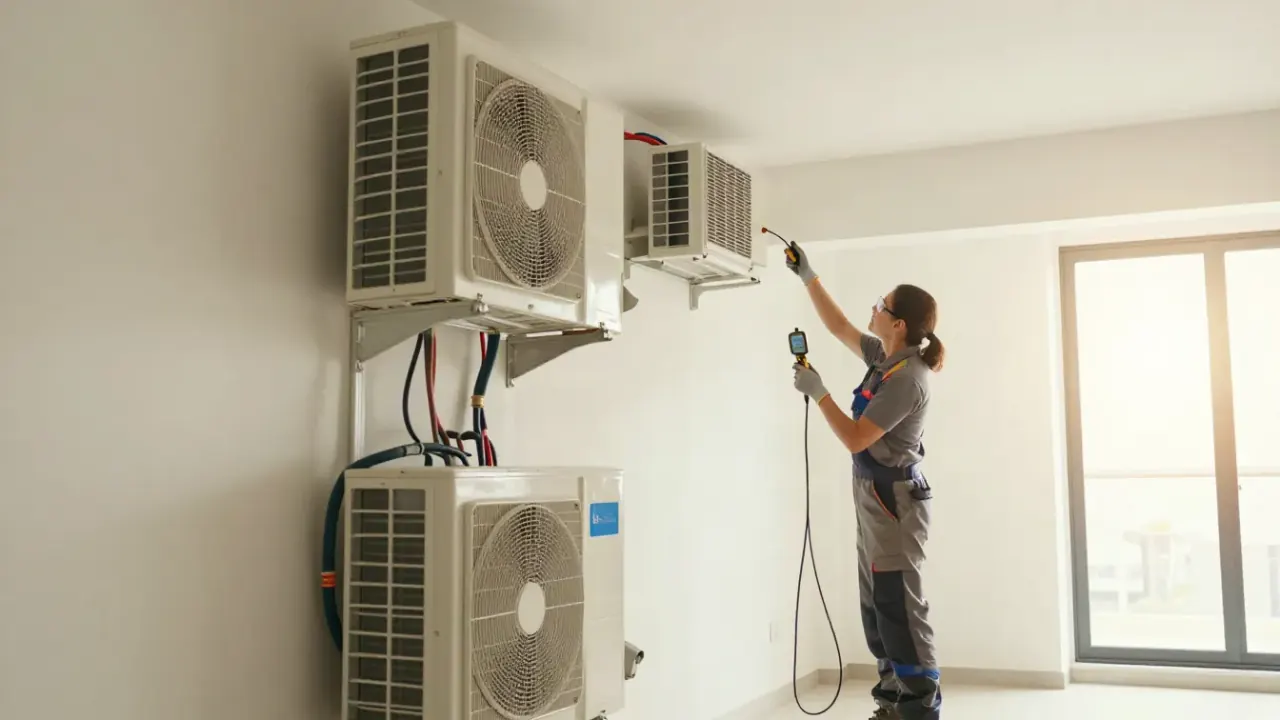
Call (281) 738-1427 or send us a message and we'll get back to you fast. We're open Monday through Friday, 8am to 6pm, and we take emergency calls for no-cool situations. If your unit quit on a weekend, leave a message and we'll call you back first thing.