Focused arrival windows
Useful updates and clear arrival timing.
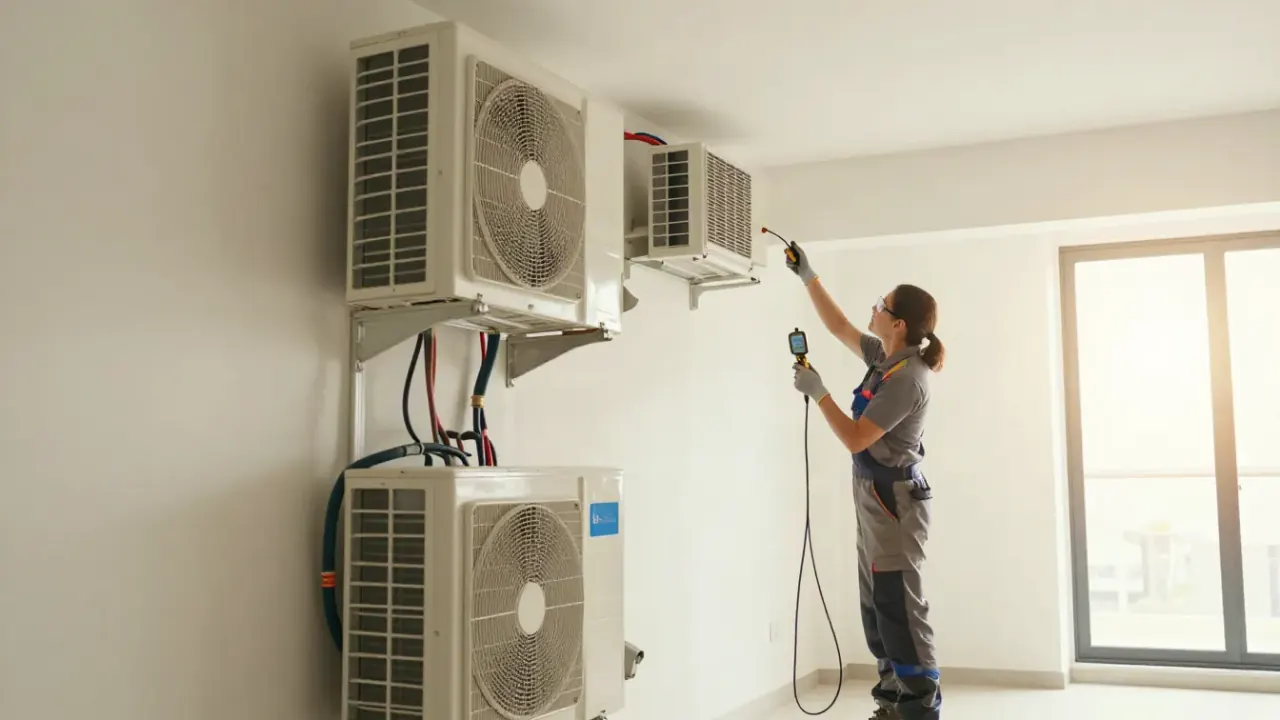
When one room stops cooling while the rest of the house is fine, you need Multi-Zone Mini Split Repair in Rosenberg from techs who work on multi-head systems every week. We test each indoor head, the outdoor condenser, the line set, and the refrigerant charge, then repair the actual fault instead of guessing. Serving Rosenberg, TX and Fort Bend County with same-day appointments and honest pricing.
Useful updates and clear arrival timing.
Review the approach and price before deciding.
Equipped vehicles and respectful cleanup.
Neighbors serving neighbors with follow-through.
Every multi-zone repair call includes a full diagnostic across all zones, not just the one that failed, because a second zone is often close behind. You get the findings, the repair, and a tested system before we leave. Parts and refrigerant are quoted separately and approved by you first.
We test every indoor head, read the error code history, and measure pressures and electrical draw at the outdoor unit. On a three-zone system that is three separate performance checks, so a marginal zone gets caught before it fails in the middle of August.
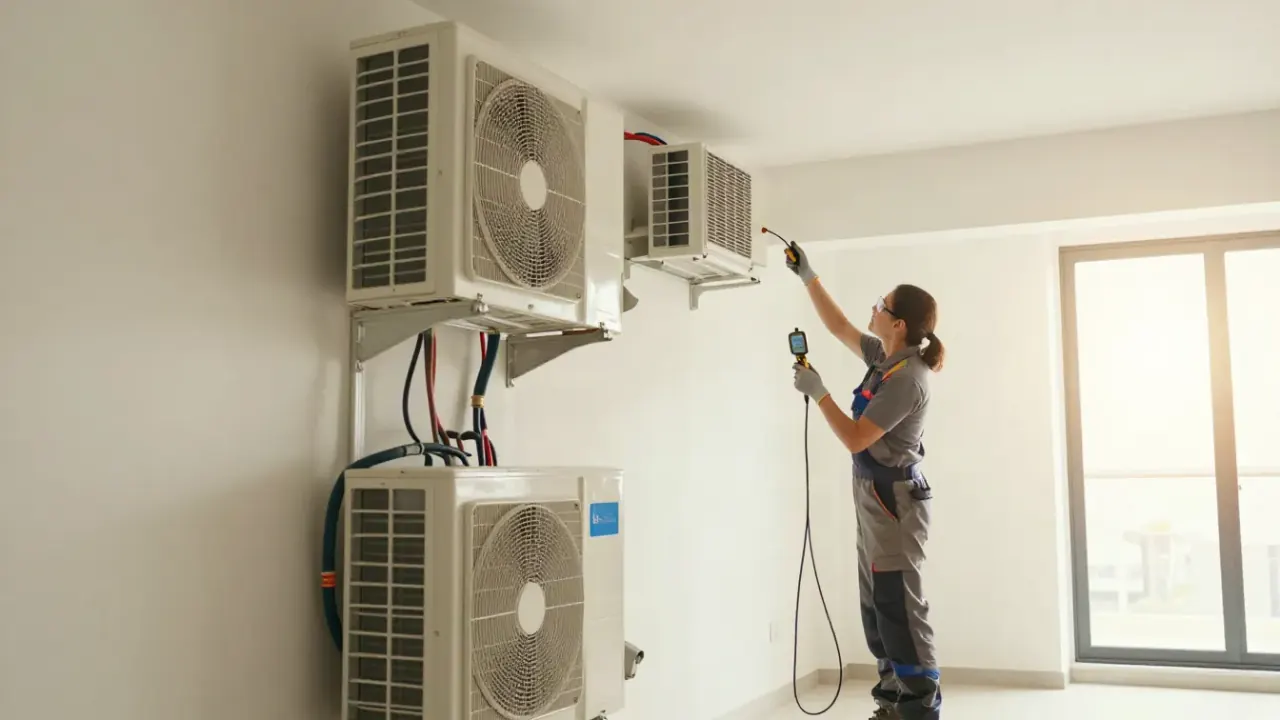
Nitrogen pressure test, electronic leak detector sweep of every flare and braze joint, and a micron gauge vacuum check after the repair. We recharge R-410A or R-32 by weight to the nameplate spec, never by guess.
Failed capacitors, electronic expansion valves, fan motors, and flare fittings get replaced with OEM-spec parts. We torque flare fittings to the manufacturer spec and insulate every exposed line so the repair lasts through thermal cycling.
We clear the condensate drain line, flush the drain pan, check the slope, and add drain pan tablets to slow algae growth. Water leaks indoors are one of the most common multi-zone complaints we see in Rosenberg, and they are almost always preventable.
Every zone runs for at least 20 minutes before we pack up. We confirm the temperature split at each head, check for water leaks, and log the final pressures and charge so you have a record of the repair.
Share what is happening and receive a clear next step from the local team.
Multi-Zone Mini Split Repair in Rosenberg means finding out why one head, two heads, or the whole system stopped doing its job. A multi-zone setup runs several indoor air handlers off a single outdoor condenser, with a branch box or multi-port valve distributing refrigerant to each room. When one zone fails, the problem is usually a stuck electronic expansion valve, a refrigerant leak on one line set, a clogged condensate drain line, or a communication fault between the wall remote and the outdoor board. We test each circuit separately with a manifold gauge set and clamp meter so the diagnosis is exact.
Rosenberg summers push multi-zone systems hard, and a unit that ran fine in April can lose a zone by July. Homeowners in Briarwood Crossing and Kingdom Heights call us most often about a bedroom that blows warm air while the living room stays cold, or an outdoor unit that short-cycles every few minutes. If you are searching for multi-zone ductless AC near me and want a straight answer, we will tell you what failed, what it costs to fix, and whether the repair is worth it on your system.
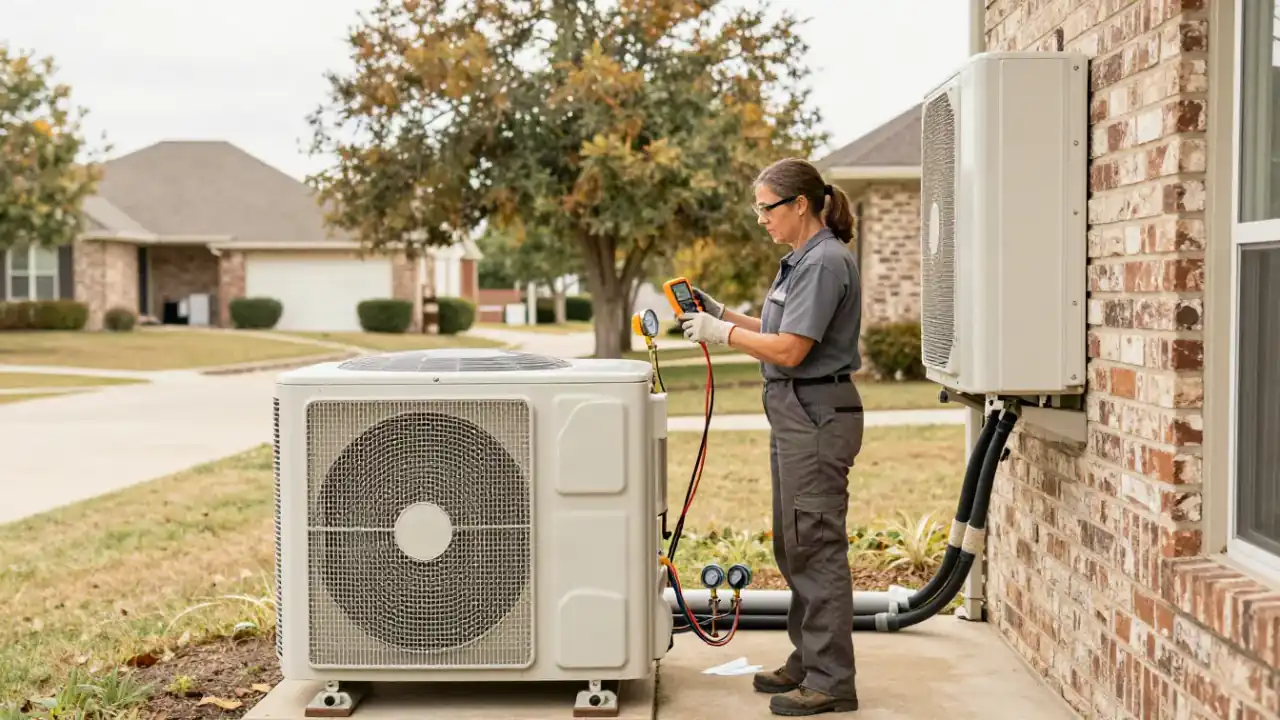
We ask which zones failed, whether the outdoor unit is running, and what error code shows on the wall controller. That five-minute call tells us whether to bring a recovery machine, a replacement valve, or just diagnostic gear. You get a two-hour arrival window, not a vague all-day promise.
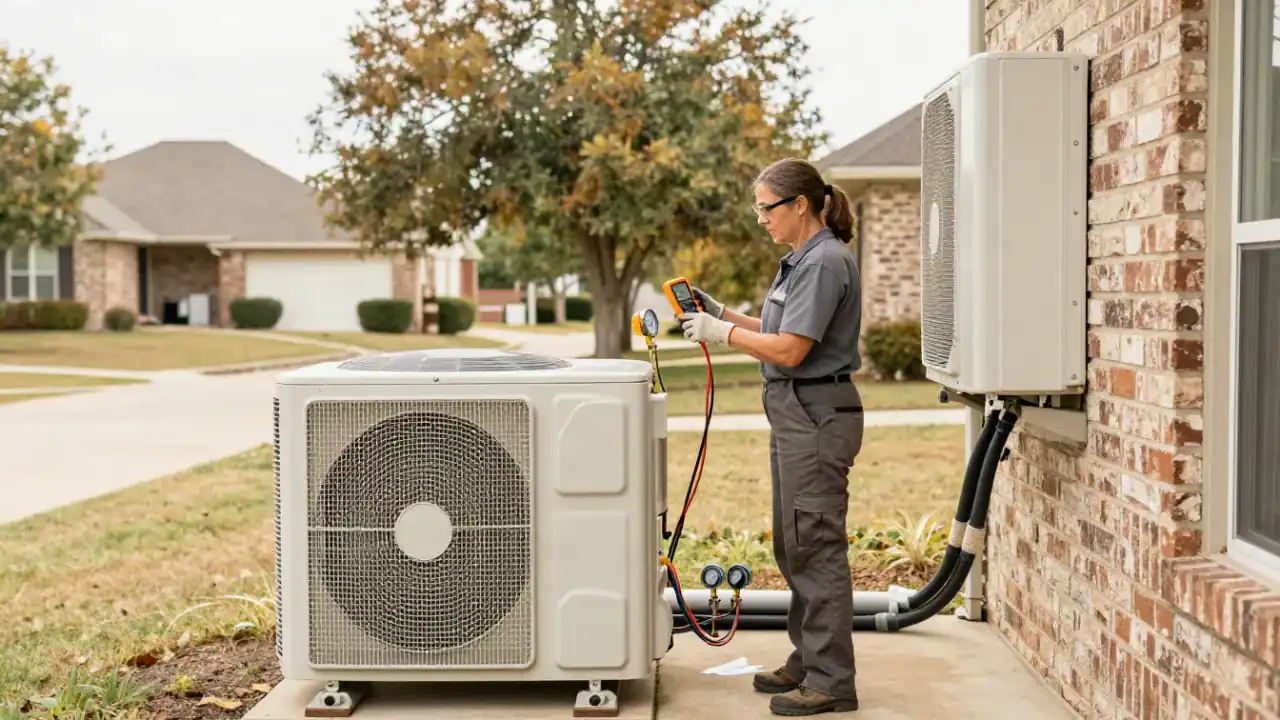
On site we check line voltage with a clamp meter, read the error code history, and test each indoor head. We measure suction and liquid pressures with a manifold gauge set, check superheat and subcooling, and inspect the condensate drain line and drain pan for clogs or standing water. This takes 45 to 90 minutes on a typical three-zone system.
Once we know the pressures and the electrical readings, we isolate the fault: a leaking flare, a failed electronic expansion valve, a bad capacitor, a frozen evaporator coil, or a communication fault between the remote and the board. You get the finding in plain language plus the repair price before we start.
We recover the refrigerant, replace the failed part, pressure-test with nitrogen, and pull a deep vacuum with a vacuum pump and micron gauge. Then we weigh in R-410A or R-32 to the exact nameplate charge. Most repairs take two to four hours from start to finish.
We run every zone for at least 20 minutes, confirm the temperature split at each head, and check for water leaks at the drain line. Before we leave we show you the readings, explain what failed, and tell you what to watch for. If a second zone is marginal, you will know now instead of in August.
Reads suction and liquid pressures on each zone so we can calculate superheat and subcooling and confirm whether the charge is correct or the circuit is restricted.
Pulls a deep vacuum after any leak repair and verifies it holds below 500 microns. Skipping this step is why so many recharges fail within a season.
Sniffs every flare and braze joint on the line set to pinpoint the exact leak location, including slow leaks that pressure testing alone can miss.
Recovers R-410A or R-32 before any repair so nothing vents to atmosphere and the system can be recharged by weight to the nameplate spec.
Measures amp draw on the compressor, fan motors, and indoor blowers to catch failing capacitors and motors before they take the system down.
Pressurizes the line set for leak testing and purges moisture during brazing, which protects the compressor and expansion valves from contamination.
Tightens flare fittings to the manufacturer's specified torque. Over-tightened flares crack; under-tightened flares leak. This tool removes the guesswork.
We run each indoor head independently and record the temperature split, amp draw, and pressures. Comparing a failed zone against a working zone on the same system narrows the fault fast and prevents replacing parts that are fine.
After any leak repair we pressurize with nitrogen, hold it to confirm the fix, then pull a vacuum verified with a micron gauge. This two-step standard is what makes a refrigerant repair last instead of failing again in six weeks.
We charge R-410A or R-32 by weight to the exact amount on the nameplate rather than topping off by pressure. Multi-zone systems are sensitive to charge, and an overcharged system can slug the compressor.
Every recovery, recharge, and leak repair follows EPA Section 608 rules for handling regulated refrigerants. It is the law, and it also protects your system from contamination and moisture.
We test that zone's airflow, expansion valve, and line set pressures against the working zones. The difference usually traces to a partially blocked valve or a slow leak on that circuit, both of which we repair the same day. The bedroom matches the rest of the house within a few degrees, and you stop closing the door to keep the hallway cool.
We check the refrigerant charge, the branch box, and each indoor head's airflow. Low charge from a slow leak is the most likely cause, so we pressure-test, find the leak, repair it, and recharge by weight. All four zones hit setpoint, runtime drops, and your electric bill stops climbing every month.
We open the head, inspect the fan blade and bearing, and check for debris or a loose mount. Weak airflow plus noise often means a failing fan motor or a dirty blower wheel, which we clean or replace. The noise is gone, airflow is restored, and the zone cools like it did when the system was new.
We diagnose the fault, repair it, and provide documentation of the repair, the pressures, and the recharge. That paperwork keeps the transaction moving instead of triggering a price renegotiation. The inspection item clears, and the buyer sees a documented repair rather than an open question.
Rosenberg sits in Fort Bend County where summer highs run 95 to 100 degrees for weeks and humidity stays high, so multi-zone systems here work near their design limit from May through September. That load stresses capacitors, expansion valves, and flare fittings, and it is why most zone failures we see happen in July and August. Newer construction in Briarwood Crossing and Brookewater often uses three- and four-zone Mitsubishi Electric and Daikin systems with long line set runs, and long runs mean more joints that can weep refrigerant over time. Older homes near Fairpark Village and The Oaks of Rosenberg tend to have shorter runs but aging equipment. If you are searching for emergency multi-zone mini split repair Rosenberg TX, we prioritize homes with infants, elderly residents, or medical equipment. We also handle Rosenberg TX multi-zone mini split zone not working calls where one head is dead and the rest are fine, which is almost always a circuit-specific fault rather than a system-wide failure.
Newer homes with three- and four-zone systems and long line set runs. More joints means more chances for a slow flare leak, so we pressure-test every circuit on these calls.
Multi-head systems here often run four zones off one condenser. When one zone fails, we test the branch box and each expansion valve to isolate the fault.
Older housing stock with systems that have been through many cooling seasons. Capacitors and fan motors are the most common failures we replace here.
Mix of single-zone and multi-zone setups. We see clogged condensate drain lines here often, especially after heavy spring rain pushes humidity up.
Larger homes with multiple multi-zone systems. We schedule these as longer appointments so every zone gets tested, not just the failed one.
Systems run at full capacity for months, which shortens capacitor life and pushes refrigerant pressures to the top of the operating range. Failures cluster in July and August, so we stock capacitors and valves heavily in summer.
Condensate production is heavy, and drain lines clog faster here than in drier climates. We flush drain lines and add drain pan tablets on nearly every repair call to prevent indoor water leaks.
More pipe means more flare and braze joints, and each joint is a potential leak point. We pressure-test the full run with nitrogen rather than just the indoor head when a zone loses cooling.
Coils and air filters load up fast, which reduces airflow and can freeze an evaporator coil. We clean coils and check filters on every multi-zone service call.
A four-zone Mitsubishi Electric system had one upstairs bedroom blowing 82 degrees while the rest of the house held 73. The homeowner had been closing the door and running a box fan for two weeks. Pressures on that circuit were low, pointing to a leak.
We found a weeping flare fitting on the bedroom line set, repaired it, pulled a vacuum to 480 microns, and recharged by weight. The bedroom hit 72 degrees in 25 minutes and held it overnight. Total repair time was three hours.
Maintenance: We recommended a pressure check each spring and a filter cleaning every 60 days. Catching a slow flare leak early avoids a full recharge and keeps that zone cooling through August.
A three-zone Daikin system was short-cycling every four minutes, and the homeowner's electric bill had jumped $90 in one month. Two zones still cooled, but the third never reached setpoint and the outdoor unit ran nonstop.
A failed run capacitor was pulling the compressor amps out of range, and the charge was slightly low from a pinhole leak. We replaced the capacitor, repaired the leak, and recharged. Runtime normalized and the bill dropped back to normal the next cycle.
Maintenance: We set the homeowner up on a twice-a-year maintenance plan that includes a capacitor test and a leak detector sweep. That catches both failure modes before they take a zone down.
Water was dripping from an indoor head onto a hallway floor, and the drywall had started to stain. The condensate drain line was fully clogged with algae and the drain pan was holding standing water. The zone was still cooling, so the homeowner had not realized the drain was the problem.
We cleared the drain line, flushed the pan, verified the slope, and added drain pan tablets. The leak stopped immediately, and we dried and treated the stained area. The whole call took under two hours.
Maintenance: Drain pan tablets every three months and an annual drain line flush keep this from coming back. In Rosenberg humidity, an untreated drain line can clog again within a single cooling season.
Multi-head systems fail in specific ways, and each one has a different fix. Here are the problems we get called for most in Rosenberg, and what happens if you leave them alone.
Ignoring it usually means the underlying leak or valve fault spreads, and a second zone fails within weeks. A compressor running with a low charge can overheat and fail entirely. We isolate the failed zone, test its expansion valve and line set, and repair the actual fault. If it is a refrigerant leak, we pressure-test with nitrogen, repair the joint, and recharge by weight so the zone cools like new.
Short cycling spikes your electric bill, stresses the compressor, and shortens the life of the whole system. It often points to a charge problem or a failing capacitor that gets worse in the heat. We check the capacitor with a clamp meter, verify the refrigerant charge against the nameplate, and inspect the outdoor coil for blockage. Most short-cycling calls are fixed the same visit with a capacitor or a charge correction.
A clogged condensate drain line sends water down the wall, stains drywall, and can damage flooring. In a Rosenberg summer, a full drain pan overflows fast. We clear the drain line, flush the pan, verify the slope, and add drain pan tablets. If the pan itself is cracked, we replace it. Most water leak calls are done in under two hours.
A communication fault can lock out one zone or the entire system. Without reading the code history, techs replace parts on a guess and the fault returns. We read the stored fault codes, test the communication wiring and board, and repair the actual link. You get the code meaning explained in plain language along with the fix.
$180 - $1,400 depending on scope
Multi-zone repair pricing depends on how many zones are affected, what failed, and whether refrigerant work is involved. Typical 2026 pricing in the Rosenberg area runs $180 to $450 for diagnostics plus a common component repair, and $600 to $1,400 when a leak repair and full recharge are needed. Multi-zone jobs cost more than single-zone because each head and line set has to be tested individually. We quote the repair before we start, and we tell you when a repair is not worth it on an older system.
You are paying for a correct diagnosis and a repair that holds, not a top-off that fails in six weeks. Our repairs are warrantied, and we document the charge and pressures so the next service call starts from facts instead of guesses.
One failed zone is a smaller job than three. Each additional zone adds diagnostic time and possibly parts. On a four-zone system, testing every circuit can add an hour of labor compared to a single-zone call.
A capacitor swap is quick. A leak repair means recovering the charge, repairing the joint, pressure-testing, pulling a vacuum, and recharging by weight. That adds several hours and the cost of R-410A or R-32.
Common capacitors and flare fittings are on the truck. Electronic expansion valves, branch box components, and compressor parts may need to be ordered. We tell you the lead time before you commit.
A head mounted high on a wall is easy to reach. One tucked behind furniture or in a tight closet takes longer to service. We note access issues during the diagnostic so the quote reflects reality.
On a system over 12 years old, a major repair may not be the best spend. We give you both numbers, repair and replacement, and let you decide without pressure.
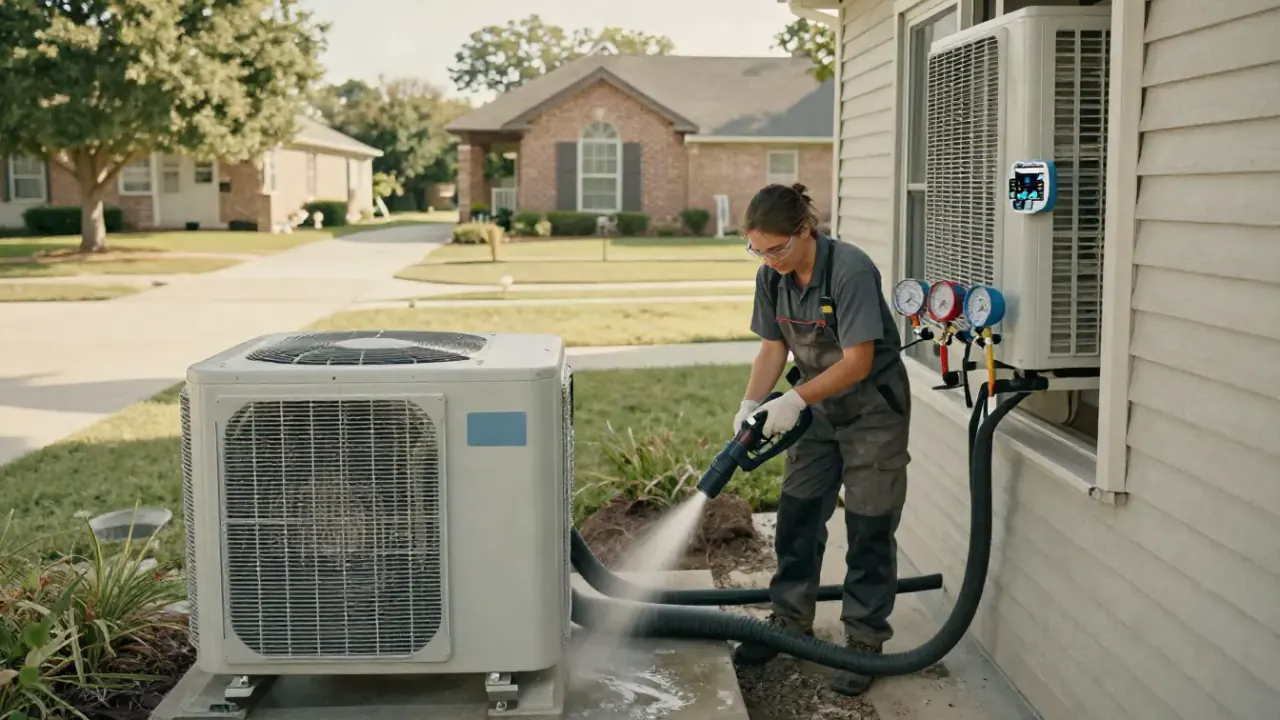
Our technicians hold EPA Section 608 certification for refrigerant handling and NATE certification for ductless and multi-zone systems, and we work under a Texas HVAC contractor license with TDLR registration. We service Mitsubishi Electric, Daikin, Fujitsu, LG, Samsung, Carrier, Trane, Bosch, Gree, and Pioneer equipment, and we keep OEM parts and flare fittings on the truck for the brands we see most in Fort Bend County. Multi-zone diagnostics is a specialty, not a side job for us.
Our upstairs bedroom stopped cooling in June while the rest of the house was fine. They found a leaking flare on that zone's line set, repaired it, pulled a vacuum, and recharged the system the same afternoon. The bedroom hit 72 that night. Fair price, no upsell, and they showed me the gauge readings before and after.
Three of our four zones worked, one blew warm air. Two other companies wanted to replace the whole outdoor unit. These guys tested each head, found a stuck expansion valve, and had it fixed for a fraction of the replacement quote. That was last summer and the zone is still cooling perfectly.
I manage several rentals with multi-head systems, and I call them for anything zone-related. They read the error codes, explain the fault in plain English, and give me a price before starting. Last call was a clogged condensate line flooding a hallway. Cleared, flushed, and dried out in under two hours.
The most common cause is a refrigerant leak on that zone's line set or a stuck electronic expansion valve, which starves one indoor head while the others run normally. A clogged condensate drain line or a communication fault between the wall remote and the outdoor board can also kill a single zone. We test each circuit separately to confirm which one it is.
Typical 2026 pricing in the Rosenberg area runs $180 to $450 for diagnostics plus a common repair like a capacitor, valve, or drain line clearing, and $600 to $1,400 when a leak repair and full recharge are needed. Multi-zone jobs cost more than single-zone because each head and line set has to be tested. You get the price before we start.
Yes, for most common failures. Capacitors, drain line clogs, communication faults, and minor leak repairs are usually finished in one visit of two to four hours. If the repair needs a specialty valve or a compressor, we order the part and give you a firm return date, often the next business day.
Heat, vibration, and time. Rosenberg summers run the condenser near its limit for months, which stresses capacitors and expansion valves. Flare fittings loosen slightly with thermal cycling and start weeping refrigerant. Coils collect dust and freeze. Most zone failures we see trace back to one of those four, and all of them are repairable.
Not seeing your question? Our local team can help you understand urgency, scheduling and what to expect.
Ask the local team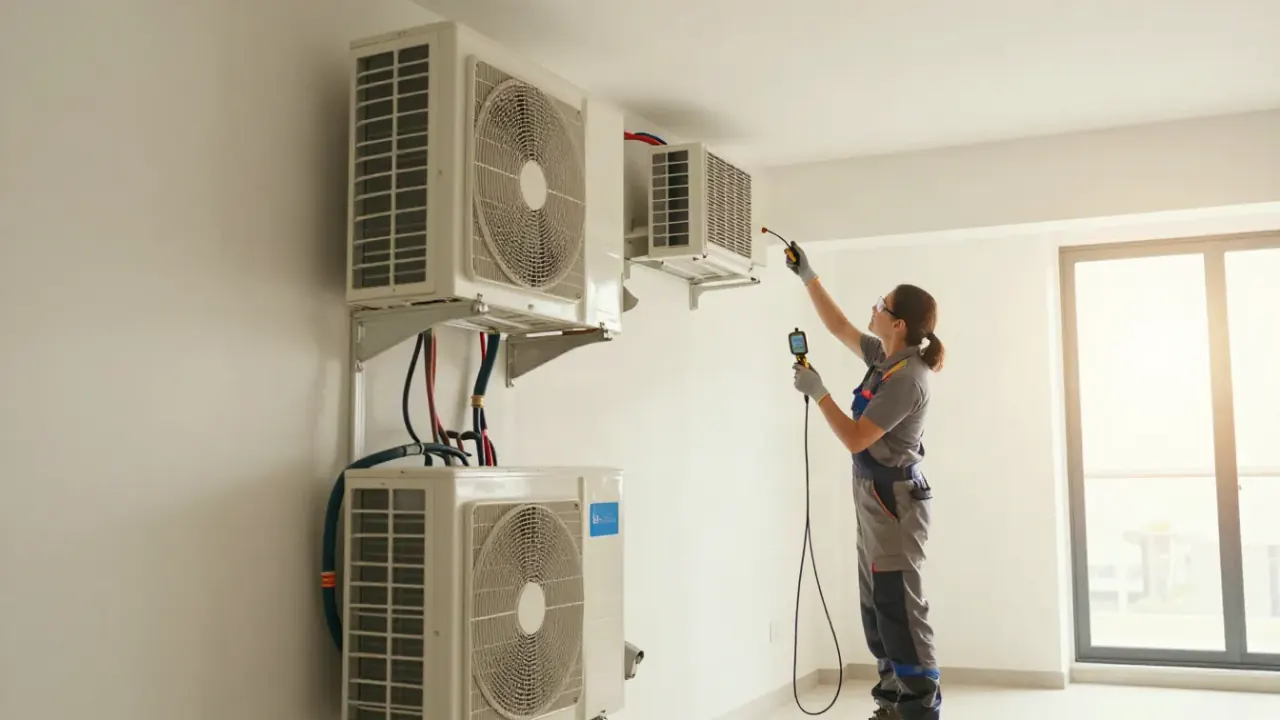
When a single-zone or multi-zone head blows warm, we check refrigerant charge, the evaporator coil, and the expansion valve. This is the most common reason Rosenberg homeowners call us, and it is often the first symptom of a leak we can fix before it damages the compressor.
View service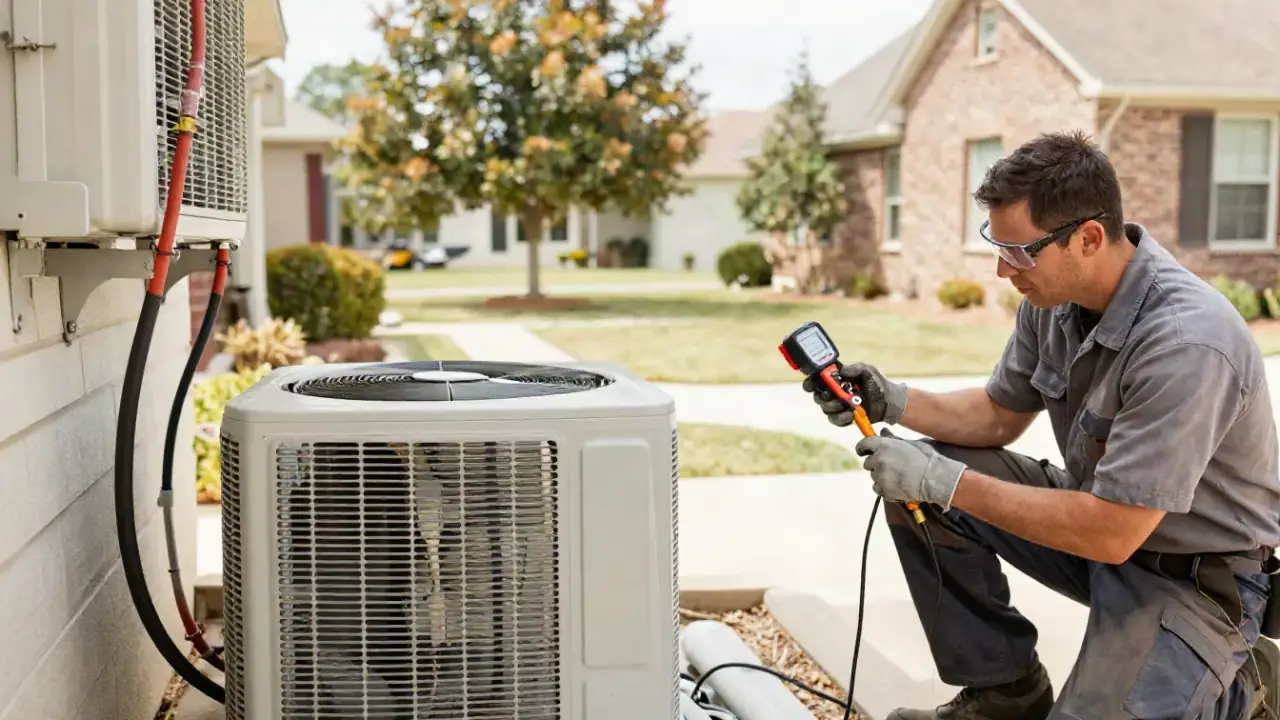
Heat mode failures in Rosenberg usually trace to a reversing valve, a defrost board fault, or a low charge. We test the system in heating mode, verify the reversing valve operation, and confirm the outdoor unit defrosts correctly so your multi-zone system works all winter.
View service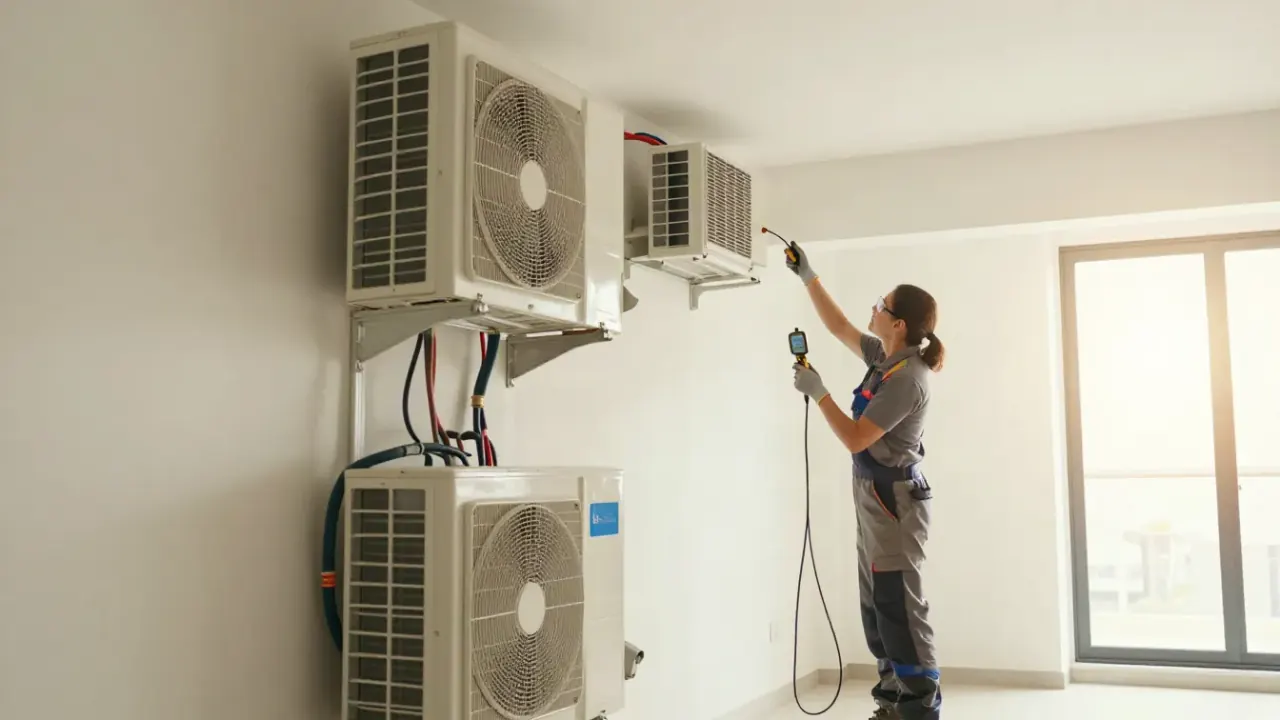
A slow leak is the top cause of one zone losing cooling. We pressure-test with nitrogen, locate the leak with an electronic detector, repair the flare or braze joint, and recharge by weight to the nameplate spec. Every recharge includes a micron gauge vacuum check.
View service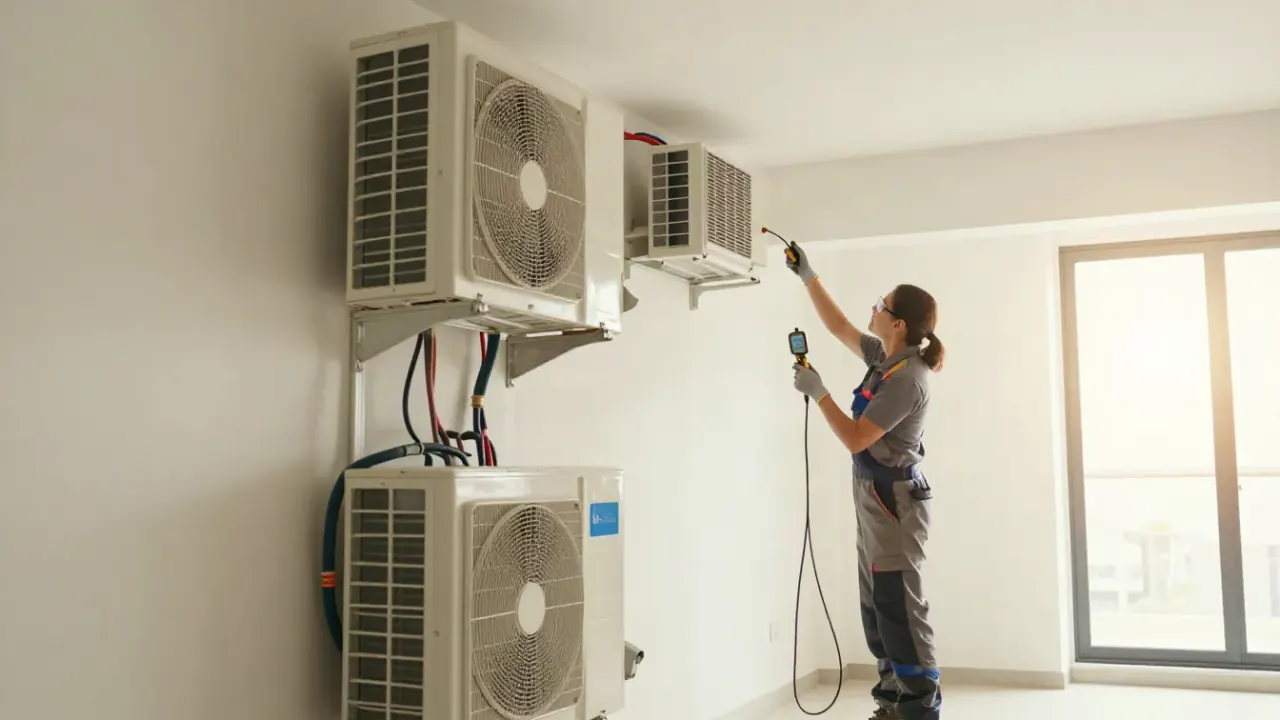
A frozen evaporator coil blocks airflow and can send liquid refrigerant back to the compressor. We thaw the coil safely, clean it with coil cleaner, and find the underlying cause, whether that is a dirty air filter, a blower fault, or a low charge on that zone.
View serviceCall (281) 738-1427 or send us a message and we'll get back to you fast. We're open Monday through Friday, 8am to 6pm, and we take emergency calls for no-cool situations. If your unit quit on a weekend, leave a message and we'll call you back first thing.